The decision in one paragraph
Portal 2 makes sense for players interested in puzzles expressed through navigable spaces. Its cooperative option is a useful reason to compare it with strictly solo logic games, provided both players are comfortable with the perspective and controls.
The idea at the centre
Portal 2 develops puzzles around portals that connect positions in a three-dimensional environment. That gives a room two roles: it is a place to navigate and a structure whose connections can be rearranged. A surface is not simply a wall or floor in that model. It may be the useful end of a route that starts somewhere else, with movement through the connection becoming part of the problem.
Why the design is worth examining
The spatial premise is easy to describe and flexible enough to support questions about viewpoint, direction and sequence. Valve’s store page also lists cooperative play, which is relevant if you want a puzzle game that can become a shared discussion. That should not be confused with claiming that every part of the game is the same in solo and cooperative modes; check the mode descriptions before choosing how to play.
The trade-off to consider
First-person navigation is an important consideration independent of puzzle quality. Readers who are uncomfortable with that perspective should watch representative movement footage and check available options before committing. Likewise, cooperative play introduces coordination requirements that do not exist when you are considering a room alone. This article makes no claim about current multiplayer population or your particular hardware’s frame rate.
A useful way to begin
When faced with a room, identify the destination, the movable elements and the surfaces that can participate in a connection. Then consider the order in which those relationships need to change. For cooperative sessions, agree on names for positions so that explaining an idea is easier than trying to follow a stream of vague directions.
Reasons to consider it
- Spatial connections are directly visible and testable.
- An officially listed cooperative mode offers a shared option.
Things to weigh up
- First-person movement may not suit every player.
- Cooperative puzzles depend on communication as well as deduction.
Who it is for
Portal 2 makes sense for players interested in puzzles expressed through navigable spaces. Its cooperative option is a useful reason to compare it with strictly solo logic games, provided both players are comfortable with the perspective and controls.
This is a judgement about the design described by the publisher, not a numerical verdict based on an undisclosed play session. Check representative footage, the current requirements and available options before choosing a version.
Verified product details
- Game
- Portal 2
- Developer
- Valve
- Publisher
- Valve
- Store release date
- 18 Apr, 2011
- Desktop systems listed
- Windows, Linux
- Store genres
- Action, Adventure
- Material checked
- 2 November 2026
Desktop systems above refer to the Steam edition. They are not a complete list of console or mobile editions. Availability, price, requirements, age information and edition contents can change.
Sources and image attribution
Official Steam listing for Portal 2 ↗
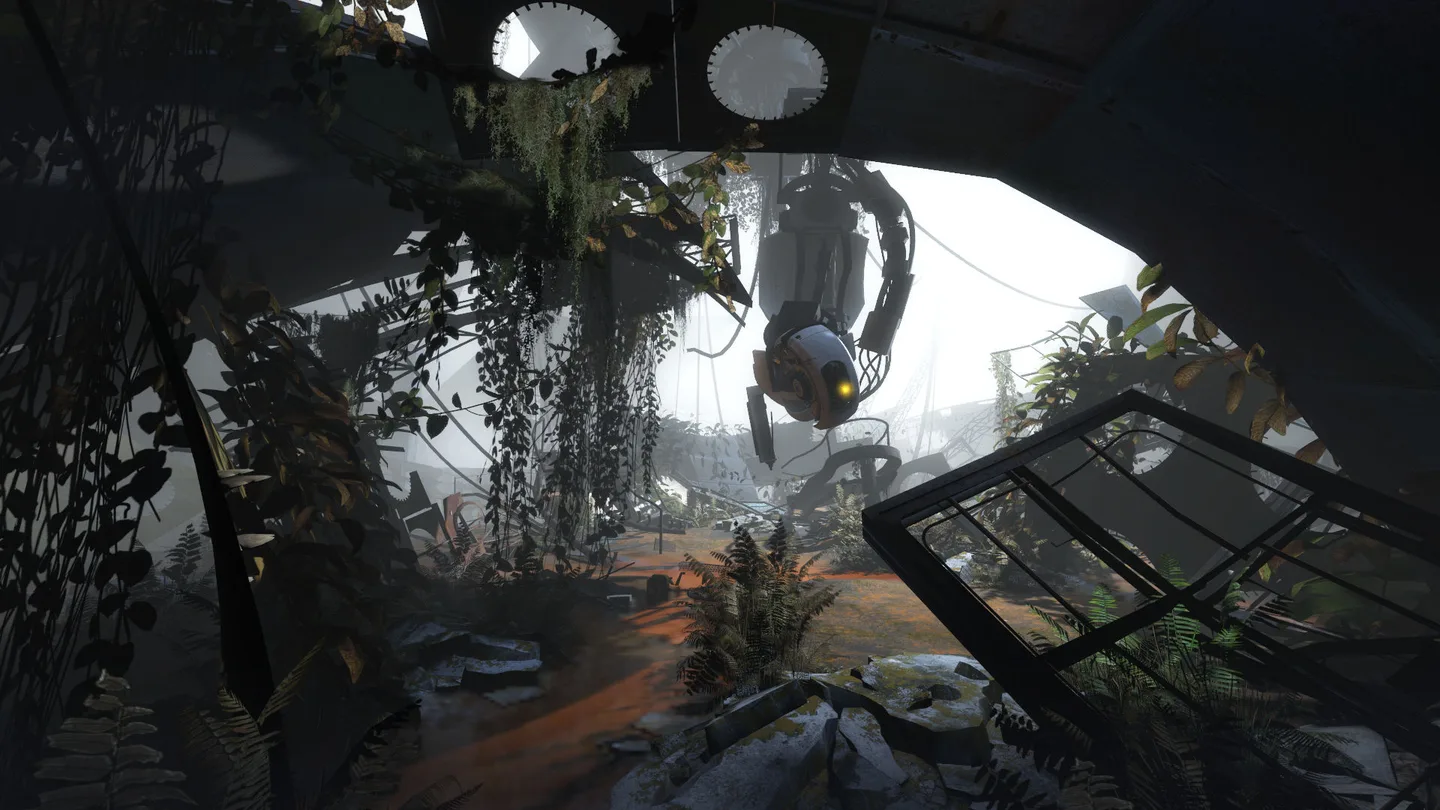
The listing supplied the developer, publisher, desktop-system information and store release date. The article’s interpretation is original editorial commentary. Official artwork and one screenshot are reproduced to identify and discuss the game; no affiliation with its owner is implied.
Original publisher screenshot ↗ · Report an error or rights concern