
Rule systems
Baba Is You: when the sentence becomes the puzzle
A box-pushing layout becomes a language experiment: moving a word can change what a wall, flag or character is allowed to do.
Read the analysisSource-based review
 RoyalnovaarenavegaLogic, observed.The reading list ↗
THE READING LIST
Independent analysis of puzzle design, from recursive boxes to worlds that reward a second look. Each review explains its research basis and links to the official publisher material.
Rule systems
A box-pushing layout becomes a language experiment: moving a word can change what a wall, flag or character is allowed to do.
Read the analysis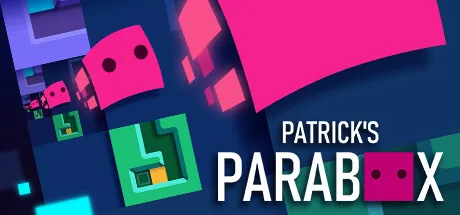
Recursive logic
Recursive spaces give a familiar box-pushing problem a second layer: a container can also be somewhere you enter.
Read the analysis
Observation
An island of puzzle panels makes observation part of the route through the game, rather than a break between challenges.
Read the analysis
Spatial reasoning
Two linked openings make the room itself the tool. The interesting question is not only where to go, but how two positions can work together.
Read the analysis
Knowledge-led exploration
A repeating solar-system mystery changes the meaning of progress: understanding what happened can matter more than acquiring another item.
Read the analysis
Open-world puzzles
Block puzzles sit inside an explorable island setting, allowing the route through the collection to become part of the attraction.
Read the analysis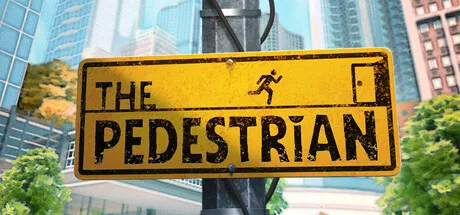
Connected spaces
A figure inside public signs turns a familiar city object into a set of spaces that can be connected and reconsidered.
Read the analysis
Character-led puzzles
Simple geometric characters make their different abilities easy to distinguish, while narration supplies a separate layer of identity.
Read the analysisNo reviews match that search. Try a shorter title or another theme.